
6 Advantages of Working With a Landscaping Designer Over DIY Plans
Creating and maintaining an outdoor space involves more than just planting and arranging features. A landscaping designer plays an important role in shaping outdoor environments that balance structure, function, and visual appeal. Working with a landscaping designer helps ensure that outdoor spaces are both functional and visually cohesive. This approach supports better planning across seasonal conditions, long-term upkeep, and overall property flow. Below are several key advantages of choosing professional landscaping support over independent planning approaches.
1. Informed Knowledge of Outdoor Conditions and Plant Health
Landscaping professionals understand how local conditions such as soil type, weather patterns, and seasonal changes affect outdoor spaces. A landscaping designer uses this knowledge to guide decisions around plant selection, lawn care practices, and long-term maintenance needs. This helps ensure that outdoor environments remain balanced and well-suited to their surroundings throughout the year.
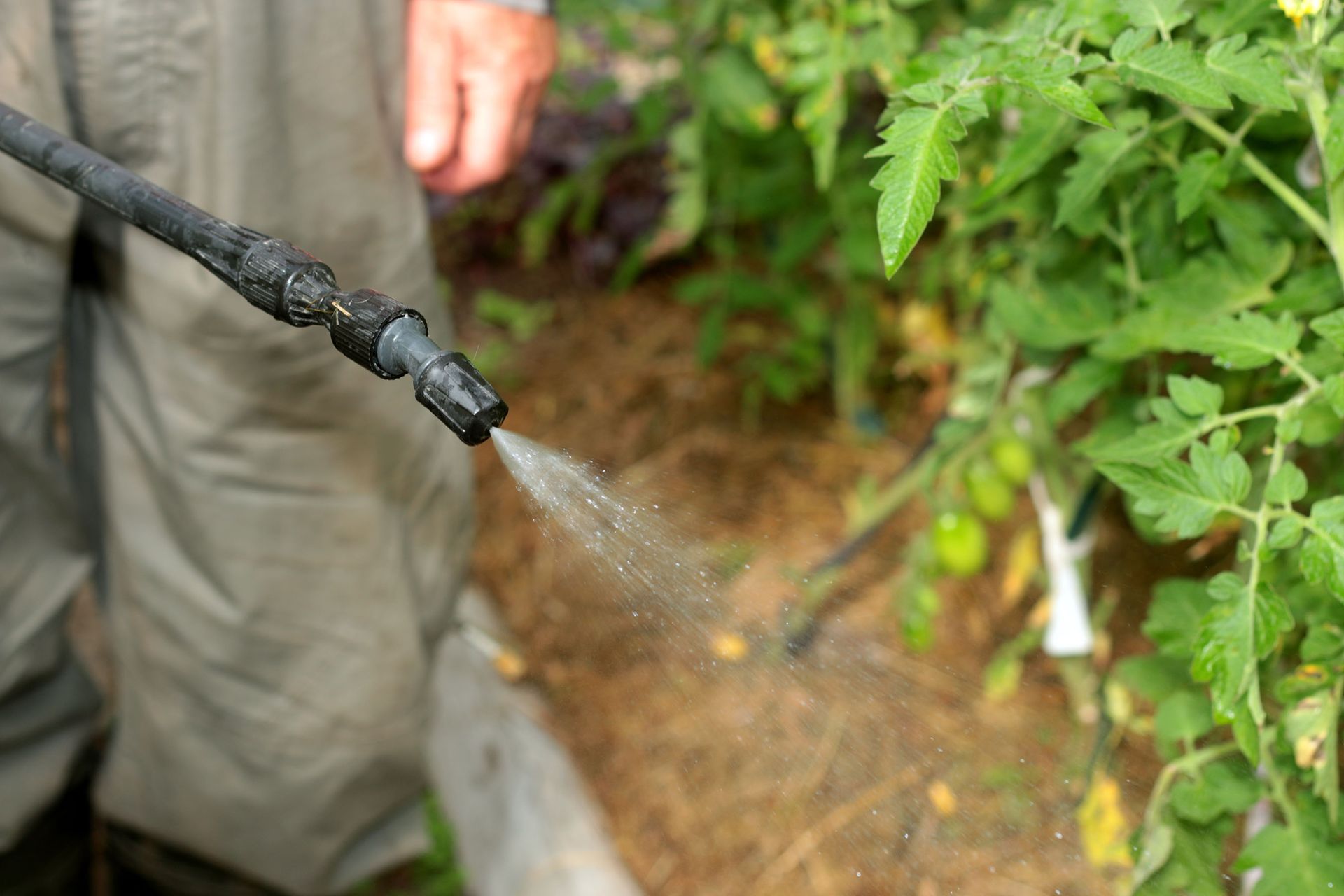
Proper lawn care often requires more than basic upkeep. Services such as fertilization, weed control, aeration, seeding, and pest management all contribute to maintaining healthy turf throughout the year. Without proper planning, outdoor areas can develop uneven growth patterns or require more frequent corrective maintenance. A landscaping designer considers these factors when developing ongoing care strategies.
In addition to turf care, professionals also manage broader landscape needs such as shrub trimming, bed maintenance, and seasonal yard cleanup. These services help keep outdoor spaces organized, healthy, and visually consistent. Over time, these combined practices help support a more stable outdoor environment that adapts well to changing seasonal conditions.
2. Balanced Custom Design and Planning
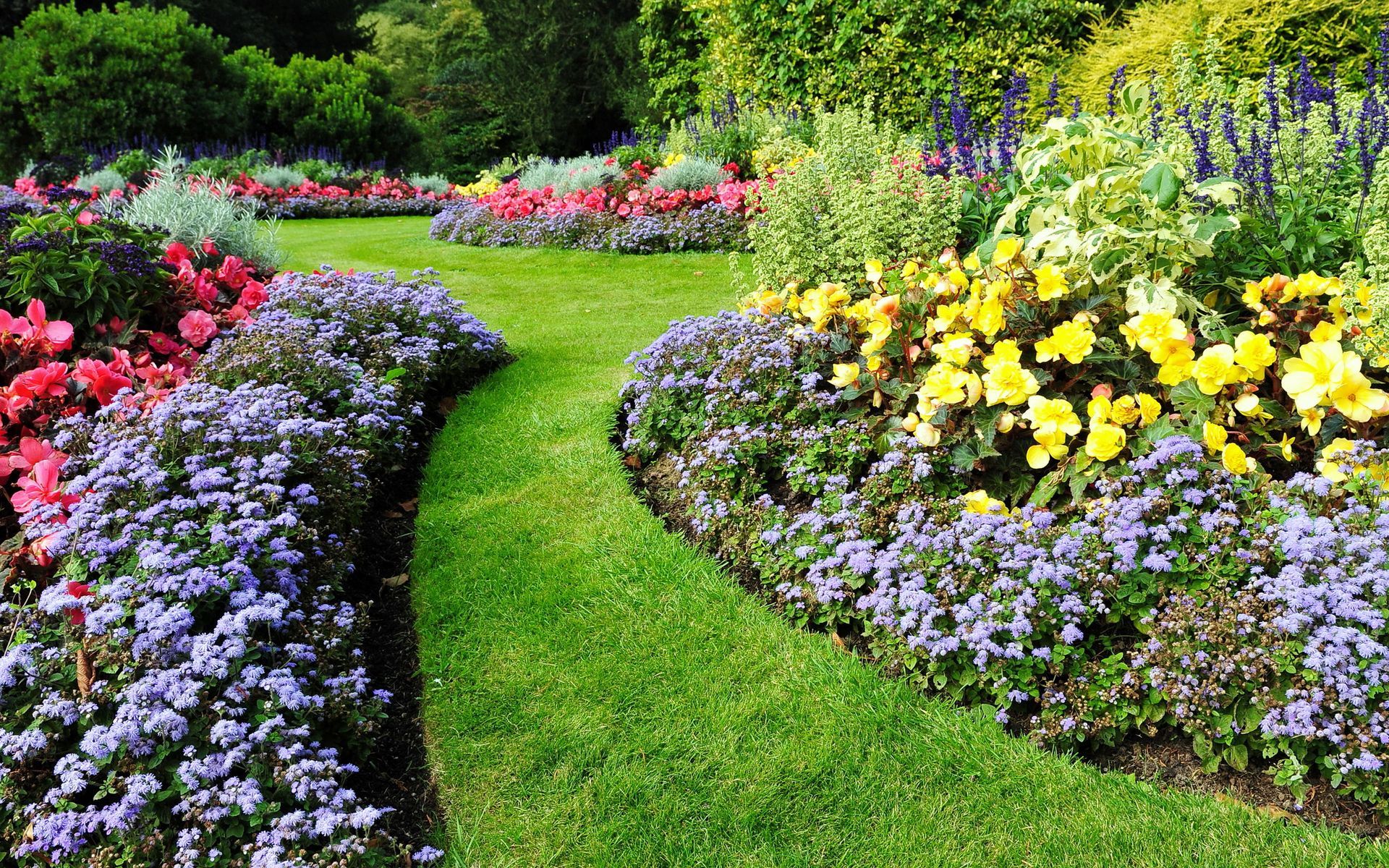
A professional approach to landscaping allows outdoor spaces to be planned with both function and appearance in mind. A landscaping designer evaluates how different areas of a property will be used, including open lawn space, planted areas, and structural features. This helps create a layout that feels intentional and well-balanced across the entire space.
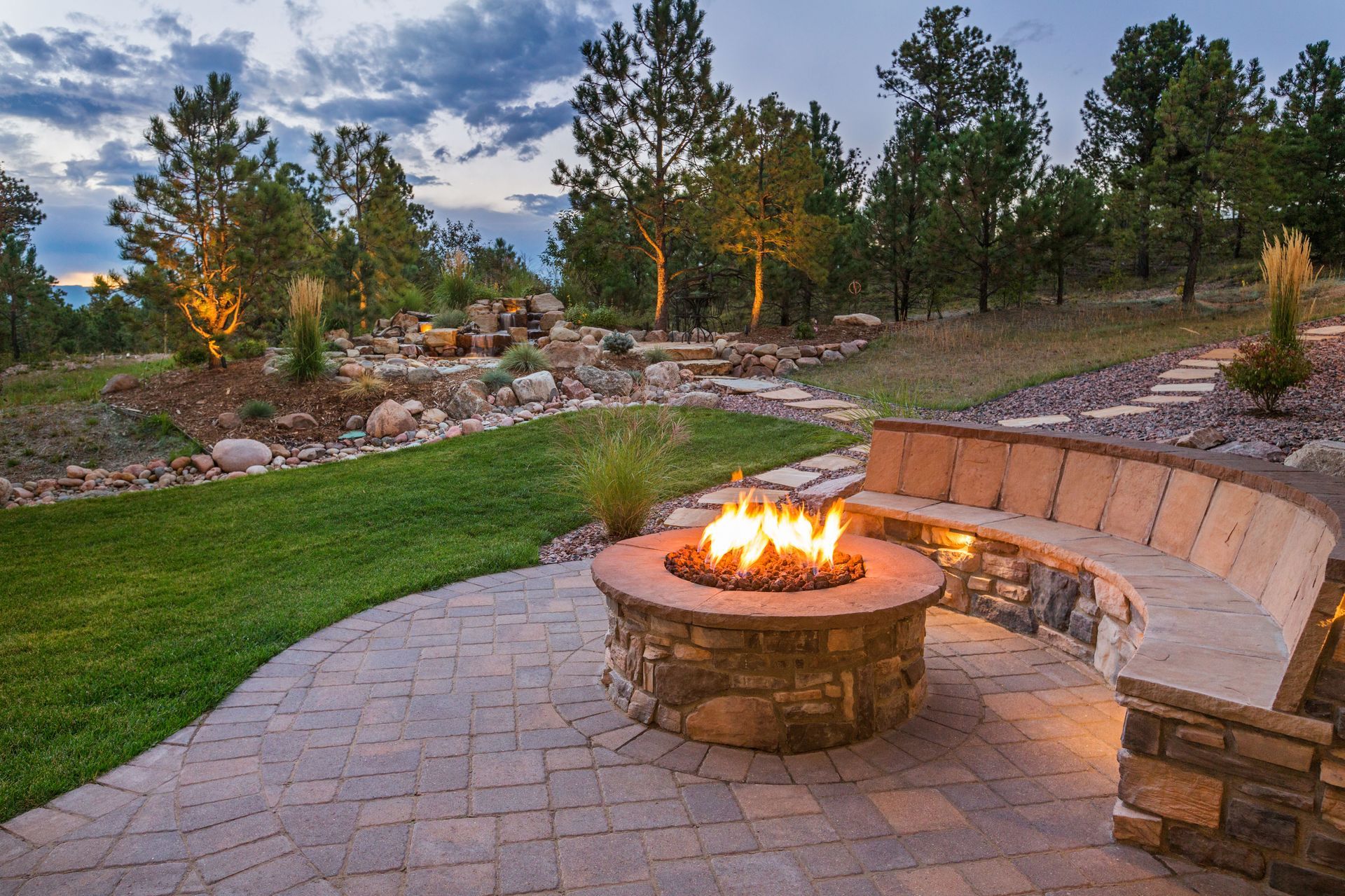
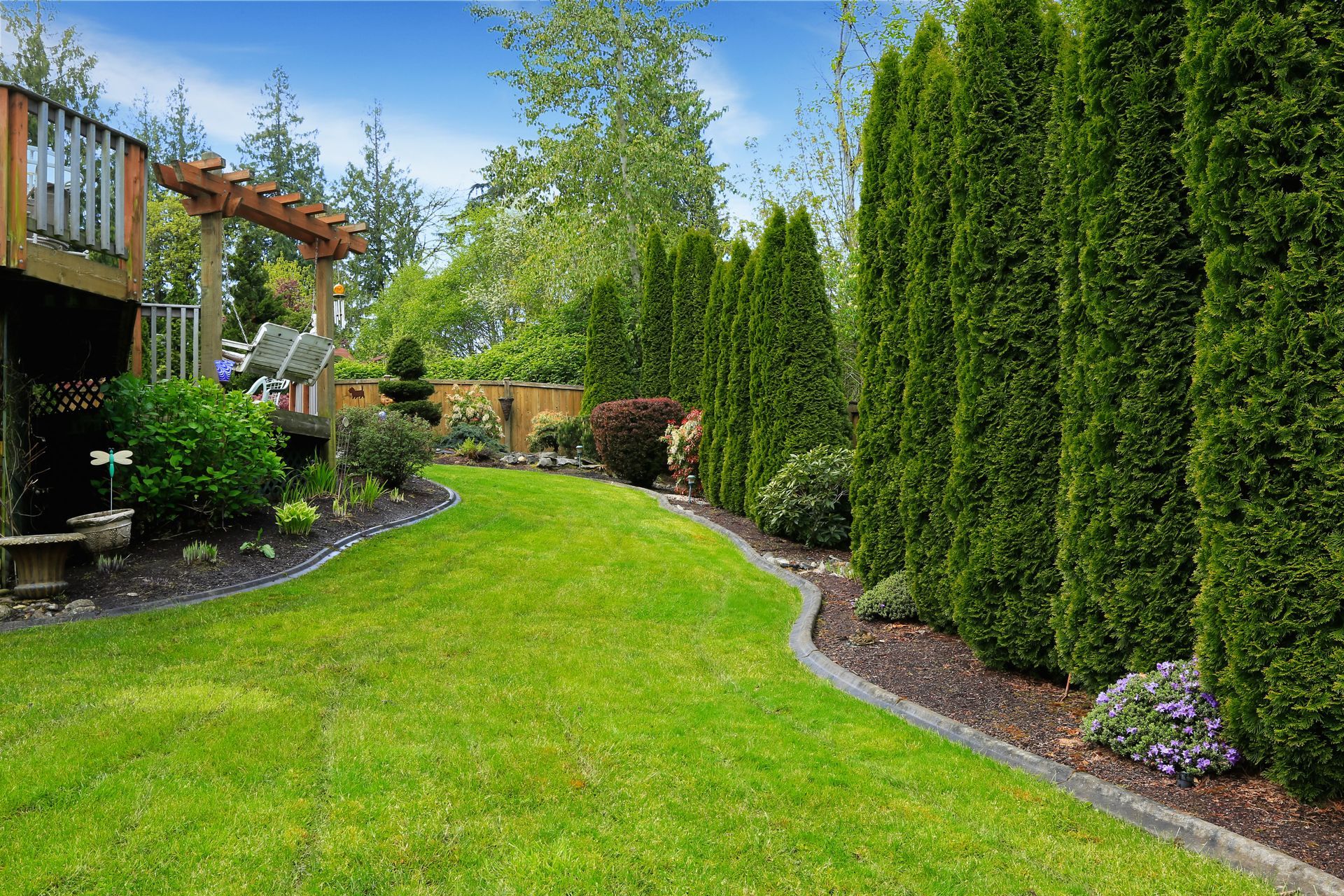
Custom planning can include elements such as patios, walkways, and other hardscape features that help define outdoor living areas. These structures are designed to integrate with the surrounding landscape while improving usability and flow throughout the property. A landscaping designer also considers how these elements interact visually and physically within the broader environment.
3. Structured Specialized Installation and Maintenance Work
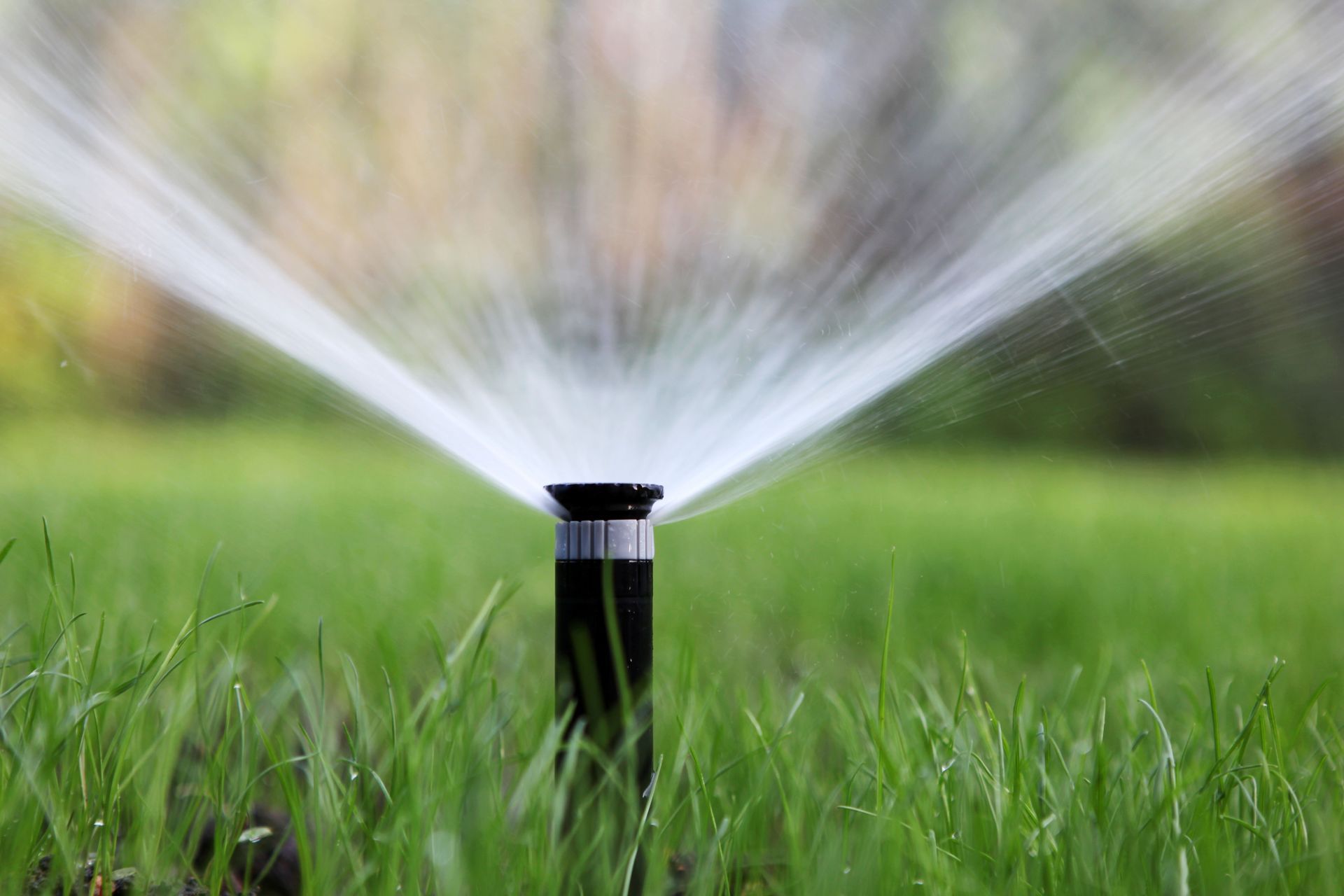
Many landscaping projects require technical installation and ongoing maintenance that go beyond basic gardening. A landscaping designer often works with irrigation systems that require careful setup to ensure proper water distribution across lawns and planted areas. This helps support consistent coverage and efficient system performance over time.
Professional irrigation services may include installation, system adjustments, seasonal start-ups, winterization, and general maintenance. Backflow testing may also be part of keeping irrigation systems operating safely and efficiently. These steps help maintain system functionality across changing seasonal conditions.
Hardscaping projects such as patios, sidewalks, and paver installations also require precision in layout and construction to ensure durability and long-term performance. A landscaping designer helps coordinate these elements and ensures they align properly with the surrounding outdoor environment.
Beyond installation itself, these services often involve coordination between different stages of work. Preparation, placement, and finishing steps all need to align for the overall result to function as intended. A landscaping designer helps ensure these stages progress in a structured and organized way to support long-term consistency.
There is also value in ongoing upkeep after installation is complete. Systems and structures can shift over time due to weather and regular use, so periodic maintenance helps keep everything operating as intended. A landscaping designer considers these long-term needs as part of the overall approach to outdoor planning.
4. Efficient Time and Effort Management
Landscaping projects often involve multiple steps that must be completed in the correct sequence, from preparation and installation to seasonal upkeep. A landscaping designer helps streamline this process by organizing tasks in a clear and structured way. This reduces delays and helps maintain steady progress across different phases of work.
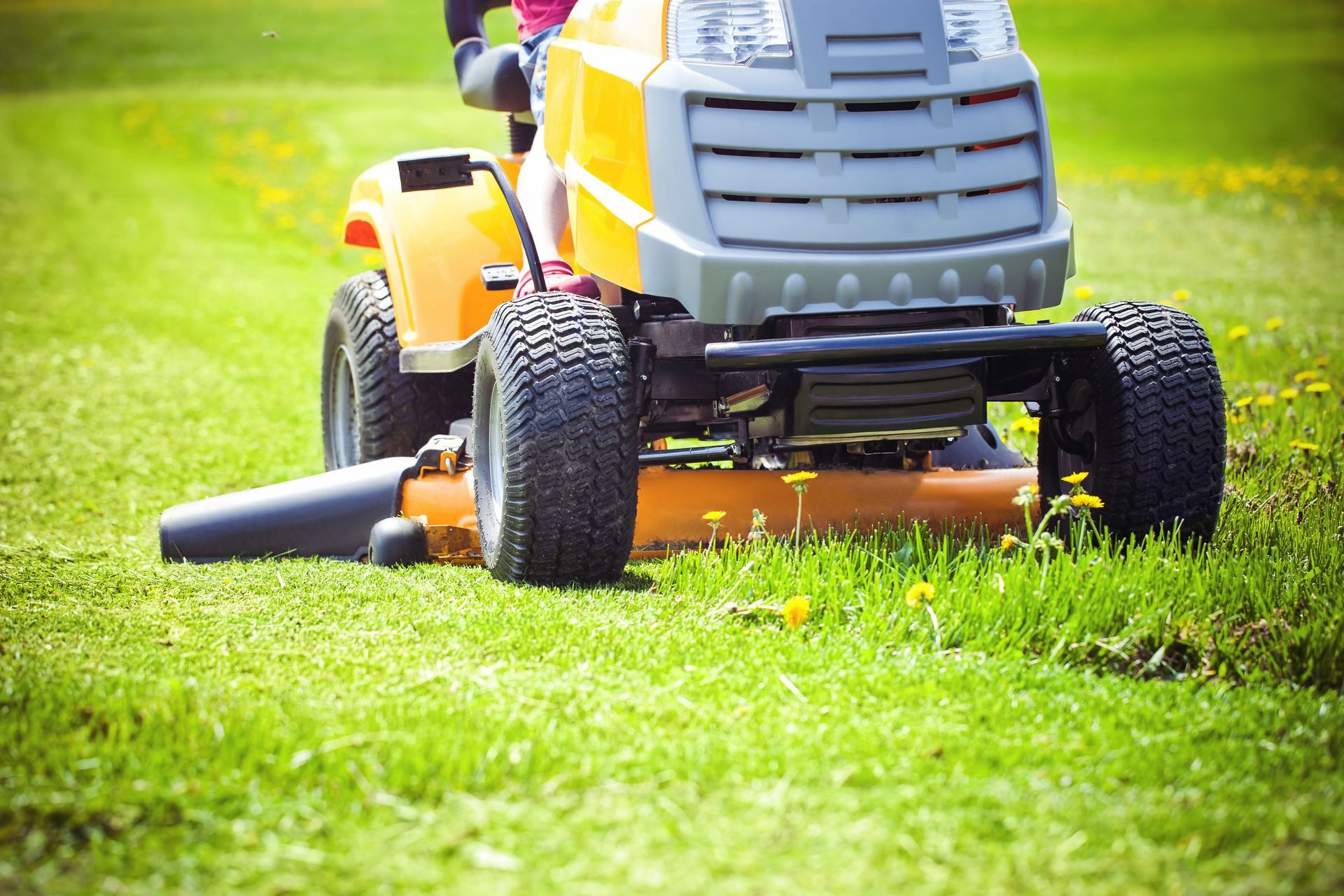
Routine maintenance tasks such as mowing, trimming, fertilization, and seasonal cleanup can also be time-consuming for property owners to manage on their own. Professional support helps keep these tasks consistent and aligned with seasonal needs. This allows outdoor spaces to remain well-maintained without requiring constant hands-on attention.
This structured approach allows outdoor spaces to remain well-maintained without requiring constant hands-on involvement from the property owner. A landscaping designer helps maintain consistency across tasks to ensure that maintenance feels more manageable throughout the year. This also helps reduce the likelihood of repeated corrective work.
It can also help reduce the need to revisit the same tasks multiple times due to missed steps or timing issues. Having a consistent plan in place helps keep outdoor work organized across the year. This makes it easier to maintain an even rhythm of upkeep rather than addressing issues in uneven cycles.
5. Consistent Property Appearance and Functionality
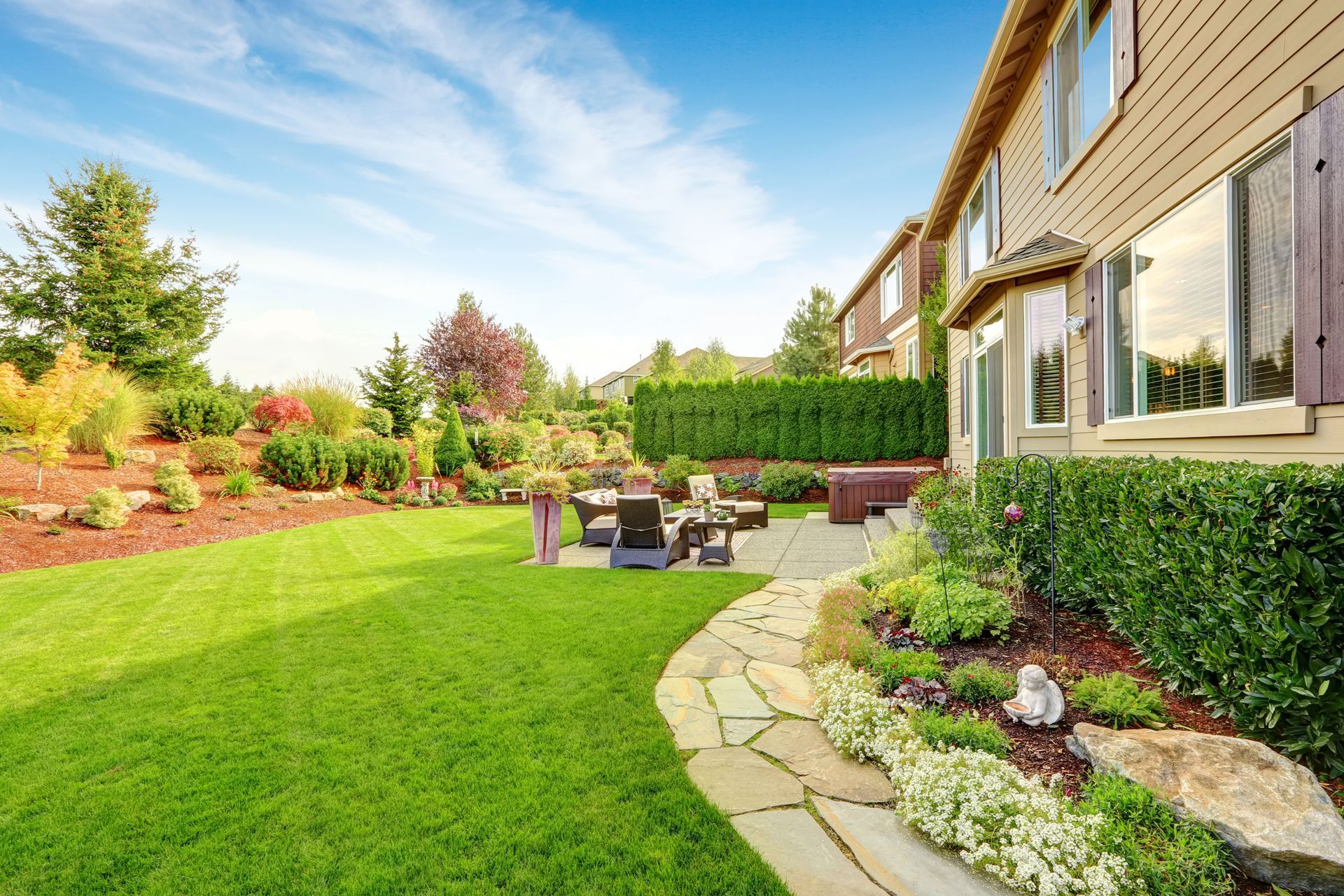
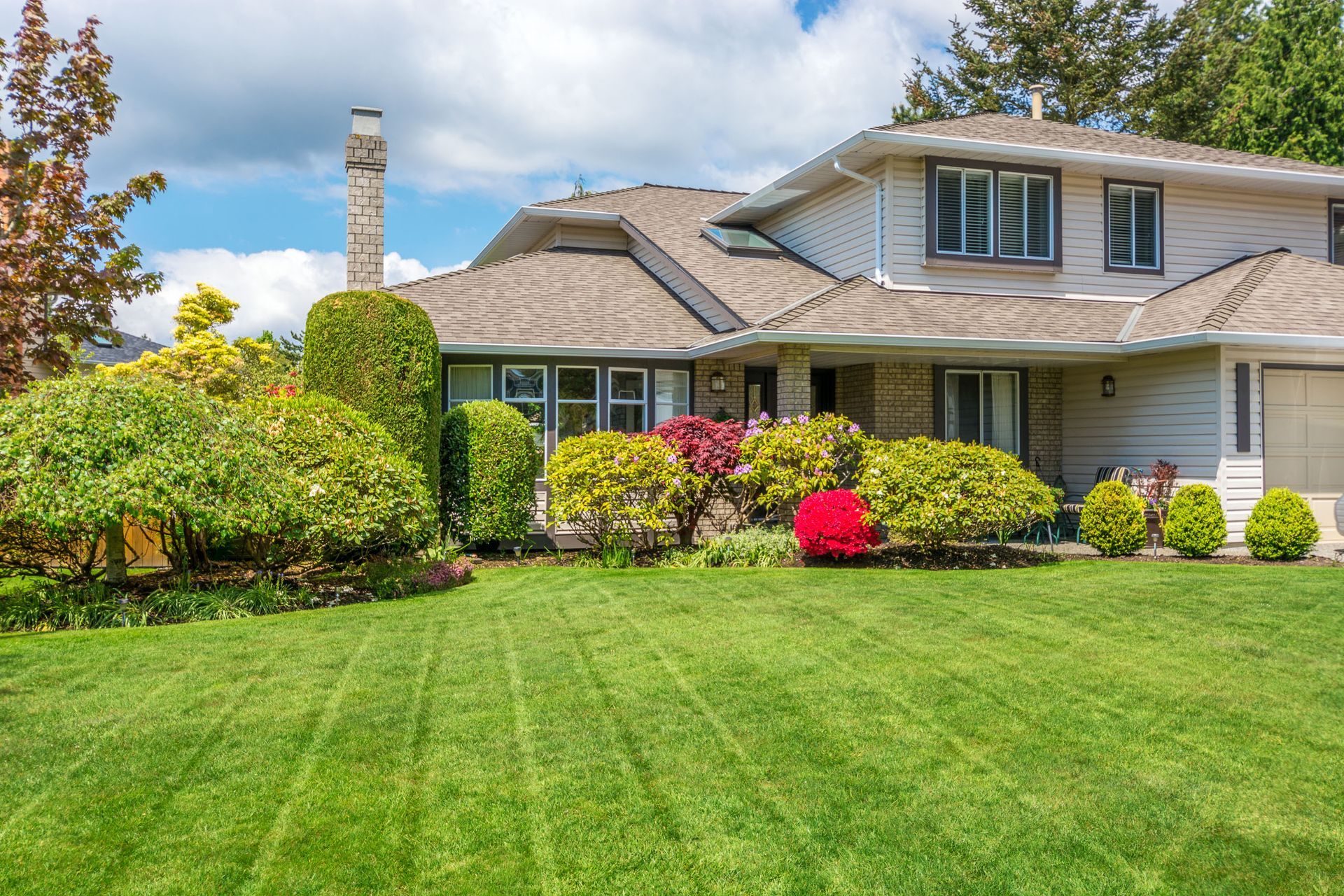
A well-maintained landscape contributes to the overall appearance and usability of a property. A landscaping designer helps ensure that lawn areas, planting zones, and structural features work together in a cohesive way. This creates an outdoor environment that feels organized and visually balanced.
Services such as sod installation can quickly improve the look of bare or damaged areas, while ongoing lawn maintenance helps maintain uniformity across the property. Seasonal cleanup services also ensure that outdoor spaces remain tidy and presentable throughout the year. These combined efforts support a more consistent overall appearance.
When combined, these services support both visual appeal and functional outdoor use, helping properties remain well-kept over time. A landscaping designer considers how each element contributes to both usability and appearance across different seasons. This helps ensure the space remains practical and visually aligned throughout the year.
There is also an ongoing element to maintaining appearance, since outdoor spaces naturally change with weather and seasonal shifts. Regular attention helps keep these changes in check so the overall look remains consistent. A landscaping designer accounts for these shifts when planning long-term maintenance approaches. According to LawnStarter, homes with landscaping typically sell for 5% to 12% more than comparable homes without it.
6. Organized Seasonal Maintenance and Outdoor Upkeep
Landscaping requires attention throughout the year to adapt to changing weather conditions and seasonal needs. A landscaping designer helps organize these tasks to ensure they align with seasonal cycles in a structured way. This ensures that outdoor spaces remain prepared for changing conditions throughout the year.
Spring cleanup, leaf removal, and general yard maintenance help prepare outdoor spaces for active growing seasons. These services help reset outdoor areas after seasonal changes and support healthier conditions moving forward. A landscaping designer considers these transitions when planning year-round maintenance.
Irrigation systems also require seasonal care, including system start-ups in warmer months and winterization before colder weather arrives. These steps help maintain system performance and reduce the risk of damage during seasonal transitions. A landscaping designer incorporates these requirements into broader maintenance planning.
In winter conditions, snow removal services are an important part of maintaining accessibility and safety, particularly for commercial properties that require consistent clearing of walkways and access areas. These services help support usable outdoor spaces during colder months.
Regular upkeep across all of these areas helps ensure that outdoor spaces remain functional and well-maintained throughout the year. A landscaping designer helps coordinate these seasonal needs to ensure they remain consistent and manageable over time.
Working with a landscaping professional provides a structured approach to outdoor design, installation, and maintenance. A landscaping designer helps coordinate lawn care, irrigation systems, hardscaping, and seasonal services in a way that supports long-term consistency and usability. These services are offered by Grizzly Bear Lawn Care, a provider specializing in residential and commercial outdoor property maintenance and landscaping solutions.
Share On: