

5 Signs Your Irrigation System Needs Professional Repairs
An efficient watering setup serves as the absolute foundation of a flourishing residential or commercial landscape. It delivers precise moisture amounts directly to plant root zones, promoting lush growth while protecting vital natural resources. However, even the most sophisticated watering configurations degrade over time due to seasonal freeze-thaw cycles, soil movement, daily mechanical wear, and simple component aging. When performance drops, prompt action prevents minor mechanical glitches from cascading into extensive turf damage or skyrocketing utility costs. Recognizing early operational warning signs empowers property owners to protect their investment through timely, expert irrigation system repairs.
Modern automatic watering equipment relies on a precise balance of electrical control, hydraulic pressure, and physical alignment. When any part of this complex network fails, overall system efficiency drops immediately. Ignoring subtle warning signs like misaligned heads, fluctuating line pressure, or minor controller glitches can quickly lead to widespread plant loss, soil erosion, and structural foundation hazards. Engaging skilled technicians to audit and restore your watering infrastructure ensures consistent coverage, extends equipment lifespan, and maintains ideal soil moisture year-round.
Recognizing Uneven Water Distribution
Inconsistent moisture application remains one of the most obvious indicators that your landscape watering infrastructure requires expert attention. When coverage becomes uneven, distinct dry patches or overly wet zones emerge across turfgrass and garden beds. According to LawnStarter, the average lawn in the United States measures about a quarter-acre, or roughly 10,890 square feet. On a property of this size, subtle coverage gaps quickly compound into large dead zones, severe weed infestations, and widespread fungal lawn diseases that require costly turf restoration.
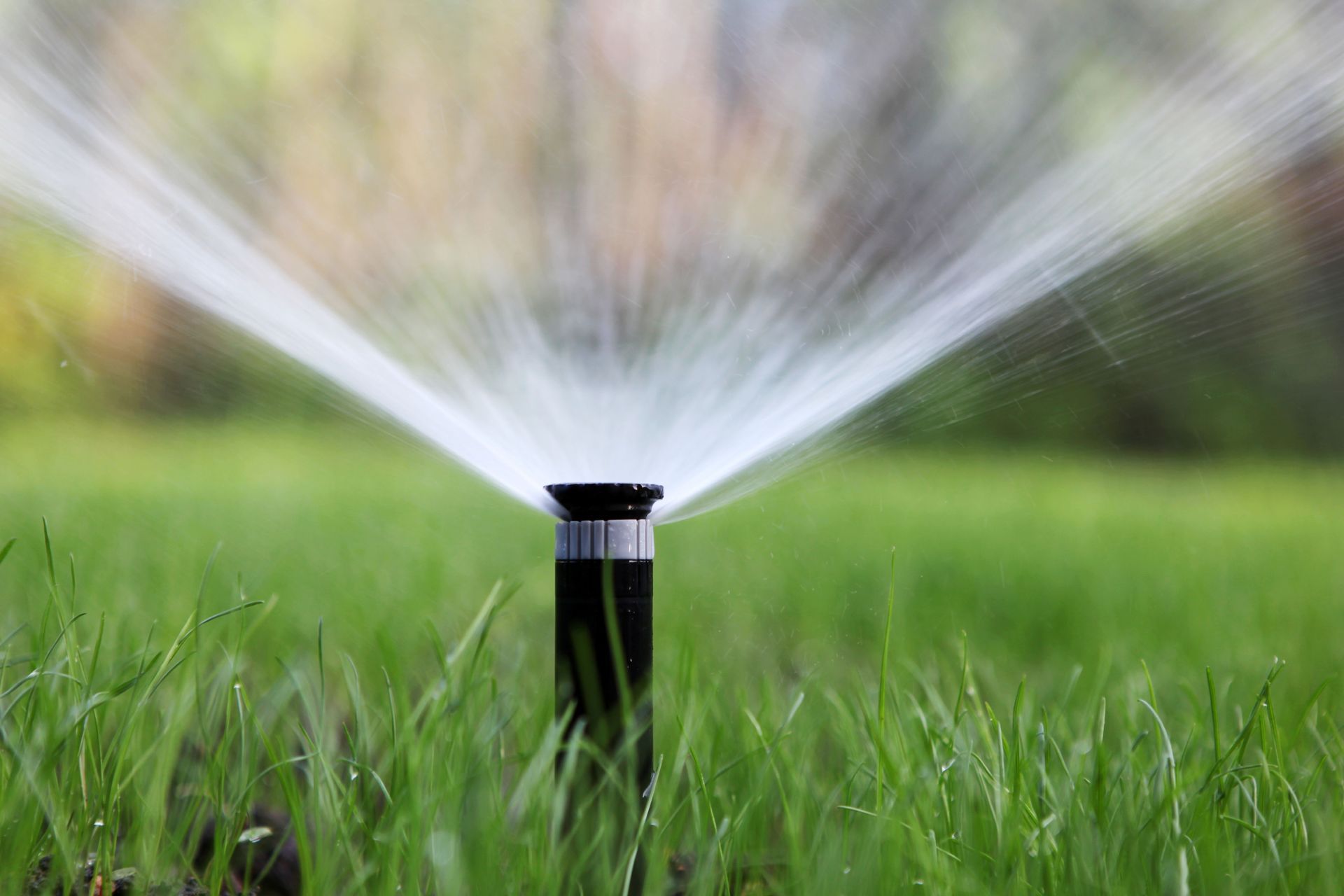
Disrupted spray patterns, pressure imbalances, and physical sprinkler head misalignments prevent uniform moisture delivery across designated zones. Unusually high line pressure atomizes water into a fine mist that evaporates or drifts away in the wind, leaving root systems parched. Conversely, insufficient pressure prevents pop-up heads from rising fully, creating heavy puddling around the base of the fixture while leaving outer turf zones completely dry. Professional irrigation system repairs effectively recalibrate zone pressure, realign spray arcs, and clear internal obstructions to restore balanced hydraulic flow across your property.
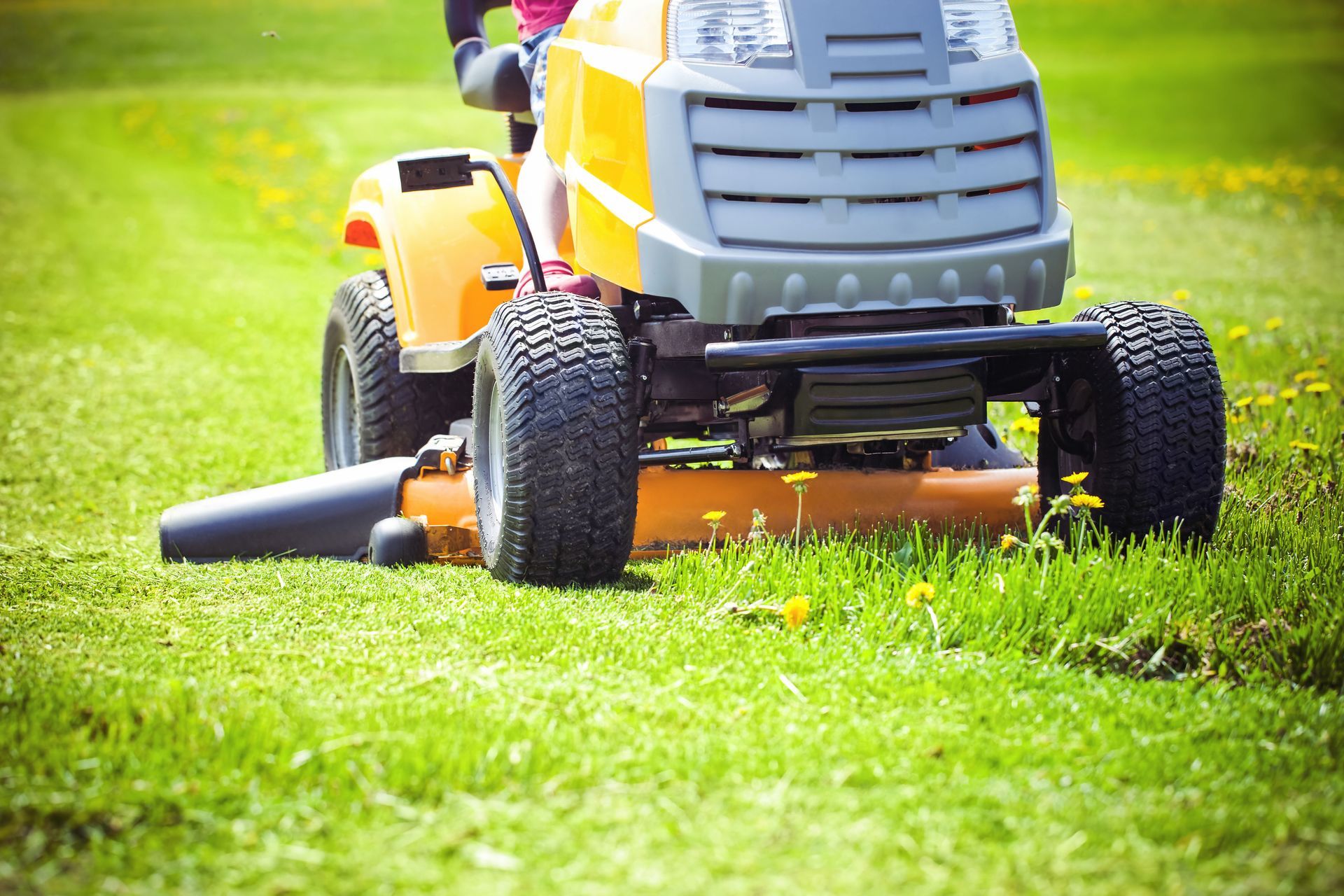
Over time, landscape features grow, soil shifts, and lawn mowers can nudge sprinkler heads out of position. Spray heads aimed at driveways, sidewalks, or building foundations waste substantial water while depriving turfgrass of vital moisture. Turf grass encroaching over pop-up nozzles or soil debris washing into internal filter screens further restricts flow. Thorough zone audits identify hidden pressure drops and physical blockages, ensuring every square foot of your lawn receives the exact moisture quantities required for deep root development.
Identifying Unusual Noises and Vibrations
Audible operational changes provide immediate feedback regarding internal hydraulic or mechanical distress. Rattling, hissing, or grinding noises coming from main supply lines or control valves signal physical component failure, internal friction, or severe pressure fluctuations. Allowing equipment to run under these conditions accelerates internal wear and frequently leads to sudden pipe ruptures or flooded valve boxes.
Vibrating underground supply lines often stem from trapped air pockets or rapid velocity shifts within the plumbing network. When air pockets travel through lines, they disrupt steady water streams and create erratic pressure spikes at pop-up nozzles. A related and dangerous phenomenon known as water hammer occurs when fast-acting solenoid valves shut off abruptly, sending violent hydraulic shock waves back through underground pipes. Left unchecked, water hammer fractures PVC fittings, loosens pipe joints, and destroys the backflow preventer. Expert technicians diagnose these hydraulic disruptions, install a specialized water hammer arrestor, and safely bleed trapped air to safeguard plumbing components.
Component friction within electric zone valves or master valves also generates distinct operational humming or chattering noises. Electrical solenoids struggling with improper voltage or deteriorating internal springs fail to seat properly, causing ongoing chatter and inconsistent valve opening. Prompt mechanical inspection prevents total electrical burnout of the controller and ensures smooth valve actuation across every watering cycle.
Detecting Hidden Leaks and Water Pooling
Underground pipe breaches, leaking valve diaphragms, and cracked riser assemblies cause severe water loss that often goes unnoticed until substantial damage occurs. High water bills without an increase in household usage strongly point toward continuous underground leaks. Because supply pipes sit beneath layers of soil and turf, high-volume line leaks can erode subsoil, undermine adjacent concrete pathways, and create hazardous subterranean sinkholes long before surface water appears.
Persistent standing water around valve boxes or low-lying turf zones indicates severe system faults. Faulty check valves inside sprinkler heads allow low-head drainage, causing remaining pipe water to drain out of the lowest head every time a zone shuts off. Furthermore, torn rubber diaphragms inside control valves allow water to continuously seep into zones even when the controller is idle. Prompt irrigation system repairs locate buried line fractures, repair damaged valve assemblies, and replace failing check valves to eliminate structural moisture risks.
Broken pop-up bodies or severed lateral lines convert controlled spray into surging water geysers. These high-volume surface breaches wash away mulch beds, strip topsoil, and drown plant roots by stripping soil of necessary oxygen. Utilizing specialized diagnostic equipment, irrigation specialists rapidly isolate underground pipe fractures and restore proper line integrity with minimal disruption to surrounding turf and plant materials.
Resolving Controller and Electrical Issues
The irrigation controller functions as the command center for your entire watering schedule, coordinating complex timing routines and valve actuation. Unresponsive display panels, lost program memory, or erratic zone cycles disrupt necessary moisture delivery. Software glitches or power surges frequently corrupt automated schedules, causing zones to run continuously or skip cycles altogether, exposing sensitive plants to extreme drought stress.
Faulty wiring connections and damaged signal lines introduce serious operational errors throughout the system. Underground control wires remain highly vulnerable to soil corrosion, rodent damage, and physical cuts during landscape maintenance projects. Damaged field wiring creates intermittent short circuits, preventing solenoids from opening valves or causing controller circuit breakers to trip repeatedly. Comprehensive electrical testing pinpoints hidden wire faults and ensures stable voltage delivery across every zone line.
Upgrading aging electromechanical controllers to modern smart irrigation technology significantly improves water management efficiency. Smart controllers utilize real-time local weather data, soil moisture sensors, and rain shutoff switches to automatically adjust zone run times based on actual environmental conditions. Transitioning to modern smart control systems reduces water consumption, lowers utility bills, and provides precise automated hydration tailored to local plant requirements.
Monitoring Signs of Plant Stress and Component Wear
Your landscape's visual health serves as a direct indicator of irrigation performance. Foliage wilting, yellowing grass blades, and uneven lawn growth patterns point toward underlying distribution failures. Prolonged overwatering suffocates root structures by depriving soil of oxygen, leading to destructive root rot and fungal turf diseases. Conversely, underwatered grass turns dull gray-green, retains footprints, and eventually dies back, allowing aggressive weeds to establish.
Inconsistent watering regimes also attract unwanted lawn pests and soil pathogens. Excessively wet conditions create ideal breeding grounds for mosquitoes, fungus gnats, and surface mold, while severely dry turf becomes highly vulnerable to chinch bugs, sod web-worms, and grubs. Combining regular system inspections with proper pest control practices ensures turfgrass remains resilient against environmental stress and pest damage.
Mechanical wear gradually degrades plastic and metal components exposed to sunlight, freezing weather, and physical impacts. Cracked nozzles, worn wiper seals, corroded valve springs, and stripped adjustment screws reduce system efficiency over time. Investing in timely irrigation system repairs and scheduled seasonal maintenance prevents sudden breakdowns, extends system service life, and maintains a healthy, vibrant landscape.
Systematically checking your lawn for coverage gaps, unusual noises, hidden leaks, electrical faults, and plant stress is essential for protecting your outdoor living space. Addressing minor hardware failures promptly prevents extensive property damage, conserves valuable water, and maintains pristine turf conditions throughout every season. For more information about the services that we offer, reach out to our incredible team at Grizzly Bear Lawn Care today!




Share On: